

Best crypto cards 2026: our top picks
We rank every live card from one independent database on what it costs, who holds the money, what it pays back and where you can order it.

By Mihail B. · Founder & Editor
The database behind the ranking, as of
- 177 cards tracked, 142 of them live
- 25 data points compared on every card
- 113 of 142 live cards re-checked in the past 30 days
- 165 of 177 read from issuer terms and fee schedules
Our top 6 picks for 2026
Out of 142 live cards we track, these are the ones worth a serious look. Ranked by our public scoring formula on fees, custody, and real cashback, not by who pays us. Each entry says what the card is good at and where it falls short.
Some “Get card” buttons link to affiliate partners, and we may earn a commission if you sign up. It never changes the ranking. Read our affiliate disclosure.

Ether.fi Cash Card
Collateral stays on-chain while you spend. The first major credit card we've used where that's true, and we hold this one.
Read the full Ether.fi Cash Card review →Get Ether.fi Cash CardPartner link.

Bleap Card
Bleap is a live Mastercard, virtual and physical, that spends straight from a wallet you control, and it deserves credit for something rare: it publishes its entire rate table, caps and all, in its cashback terms rather than leaving you to discover them.
Read the full Bleap Card review →Get Bleap CardPartner link.

Hyperbeat Card
Most cards that call themselves self-custodial ask you to take the word on faith.
Read the full Hyperbeat Card review →Get Hyperbeat CardPartner link.

Plasma One Card
Plasma One is a Visa issued by Rain for the Plasma L1 chain, live since 17 June 2026, iOS first and initially gated to XPL holders.
Read the full Plasma One Card review →Get Plasma One CardPartner link.

Xplace Card
XPlace is a leveraged DeFi credit line dressed as a Visa card. Your collateral never leaves your own Solana wallet.
Read the full Xplace Card review →Get Xplace CardPartner link.
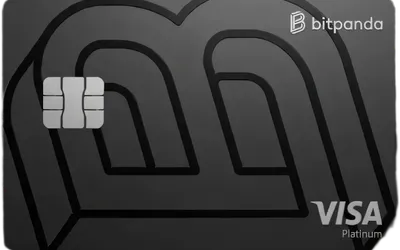
Bitpanda Card
The Bitpanda Card is a free Visa debit issued by Transact Payments Malta under a Visa Europe licence, funded straight from your Bitpanda wallet.
Read the full Bitpanda Card review →Get Bitpanda CardNot a partner link.
Browse by category
The country guides are editorial rankings. The rest are filtered lists that leave out discontinued and pre-launch cards.
Country guides with five picks each
- USA guide: top 5 picksBest crypto cards for US residents
- UK guide: top 5 picksFCA-regulated cards for UK residents
- Canada guide: top 5 picksCards for Canadian residents
By region
- Best cards in EuropeEEA & EU-available cards
- Best cards in Latin AmericaMX, BR, AR, CO & more
- Best cards in AfricaNG, ZA, KE, GH & more
- Best cards in the Middle EastUAE, SA, BH, QA & more
By network & form factor
- Visa crypto cardsAll Visa network cards compared
- Mastercard crypto cardsAll Mastercard network cards compared
- Virtual crypto cardsInstant issue, no physical card
- Physical crypto cardsTap-to-pay & ATM access
- Premium metal cardsMetal builds & premium perks
By feature
- Self-custody cardsKeep control of your private keys
- Cards with cashbackEarn BTC, tokens, or stablecoins
- Free cards (no fees)Zero issuance & annual fee
- Staking & yield cardsCards tied to a yield or staking product
- Apple Pay cardsTap-to-pay with iPhone
- Travel cards (low FX)FX fees at or below 1%
- ATM access cardsWithdraw cash worldwide
- Multi-chain cardsSpend from multiple blockchains
- DeFi-native cardsSelf-custody + on-chain spending
- USDC cardsSpend USDC stablecoin directly
- USDT cardsPay with Tether on-chain
- Best for HODLersSpend without selling your stack
- Best for DeFi usersSelf-custody, multi-chain top-up